
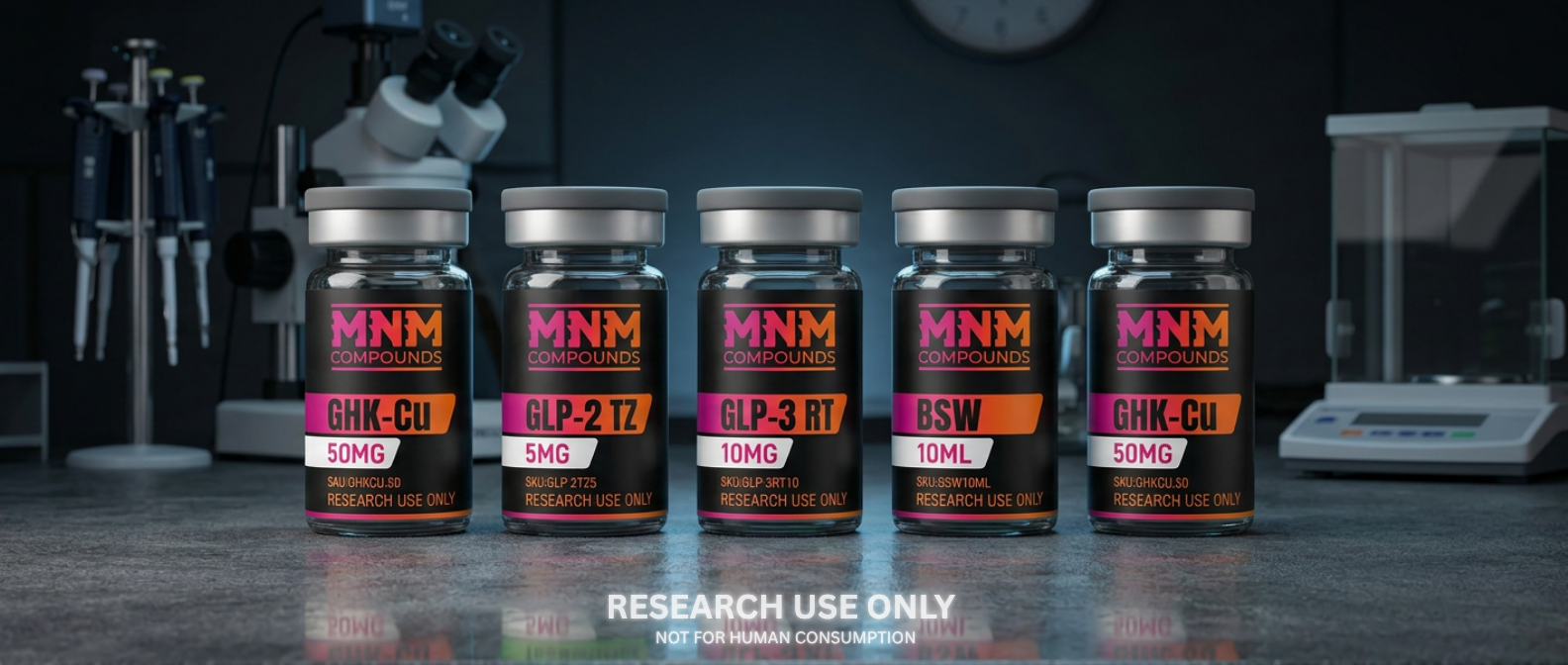
Executive Overview
Peptides have rapidly evolved from a specialized pharmaceutical category into one of the most strategically important therapeutic classes worldwide. Historically limited to applications such as insulin therapy and select hormonal treatments, peptides now sit at the center of innovation across metabolic health, longevity science, regenerative medicine, and performance optimization.
As of 2026, the global peptide landscape is undergoing a multi-dimensional transformation driven by several powerful forces:
- Explosive demand for GLP-1–based metabolic therapies
- Expansion of multi-target peptide compounds
- Breakthroughs in AI-driven peptide design
- Increasing tension between regulated pharmaceutical pathways and research peptide markets
- A critical regulatory inflection point in the United States and internationally
The peptide therapeutics market is projected to grow significantly over the next decade, reflecting sustained demand and expanding applications across both clinical and performance-driven sectors.
1. The Current Landscape: Peptides as “Third-Generation Therapeutics”
Peptides are widely recognized as “third-generation drugs”, bridging the gap between:
- Small molecule pharmaceuticals
- Large biologics
Their advantages include:
- High receptor specificity
- Reduced systemic toxicity
- Predictable metabolic breakdown
- Strong biological compatibility
Currently, there are over 100 FDA-approved peptide-based drugs, demonstrating their clinical viability and scalability.
What has changed in recent years is not just volume, but strategic importance. Peptides are now driving entire therapeutic categories, rather than serving as niche solutions.
2. The GLP-1 Revolution: The Catalyst for Industry Expansion
The rise of GLP-1 receptor agonists has fundamentally transformed the peptide industry.
Why GLP-1 Changed Everything
GLP-1–based therapies have:
- Accelerated mainstream adoption of peptides
- Driven massive pharmaceutical investment
- Redefined obesity and metabolic disease treatment
These compounds have shifted peptides from a clinical niche into a household-level awareness category.
Next-Generation GLP-1 Compounds
The next evolution includes:
- Retatrutide (triple agonist: GLP-1 + GIP + glucagon)
- CagriSema (GLP-1 + amylin analog combination)
These next-generation compounds are demonstrating:
- Greater metabolic efficiency
- Enhanced weight reduction potential
- Improved hormonal synergy
Strategic Insight
The industry is shifting from:
Single-pathway targeting → Multi-hormonal optimization
This model will define the future of peptide therapeutics across all categories.
3. Expansion Beyond GLP-1: Multi-Target Peptide Innovation
The future of peptides lies in stacked biological mechanisms and multi-functional compounds.
Emerging Peptide Classes
Dual and Triple Agonists
- GLP-1 / GIP combinations
- GLP-1 / glucagon hybrids
- GLP-1 / amylin integrations
Mitochondrial & Metabolic Peptides
- MOTS-c
- Humanin analogs
Inflammation & Immune Modulation
- Thymosin peptides
- Cytokine-regulating compounds
Regenerative & Repair Peptides
- BPC-157
- TB-500 (Thymosin Beta-4)
- GHK-Cu
Important Distinction
Many of these compounds remain:
- Unapproved for clinical use
- Supported primarily by preclinical research
- Positioned within research-only frameworks
4. The Regulatory Turning Point (2026–2027)
The peptide industry is approaching a critical regulatory shift.
Key Developments
- Regulatory bodies are reassessing peptide classifications
- Increased evaluation of compounding pharmacy frameworks
- Consideration of expanded therapeutic access pathways
Why This Matters
This shift could redefine the market:
- Transition from gray-market distribution → regulated systems
- Expansion of telehealth and clinical peptide programs
- Greater standardization and oversight
At the same time, regulators remain focused on:
- Long-term safety validation
- Dosing consistency
- Clinical evidence requirements
5. The Research Market vs Clinical Reality
A parallel ecosystem exists outside traditional pharmaceutical channels.
Current Reality
Peptides are widely distributed under:
- “Research Use Only (RUO)” designations
- Non-consumable labeling frameworks
Demand is driven by:
- Fitness communities
- Biohacking culture
- Longevity optimization markets
Key Risk Factor
There is a widening gap between:
- Scientific evidence
- Consumer-driven usage
Many peptides:
- Lack robust human clinical trials
- Are supported by animal or in vitro data
6. AI-Driven Peptide Development
One of the most significant advancements is Artificial Intelligence in peptide discovery.
Capabilities
- Designing novel peptide structures
- Predicting:
- Binding affinity
- Stability
- Toxicity
Strategic Impact
AI is accelerating:
- Drug development timelines
- Precision targeting
- Discovery of next-generation compounds
7. Manufacturing & Supply Chain Evolution
The peptide boom is driving expansion in:
- cGMP manufacturing facilities
- Large-scale synthesis platforms
- Lyophilization infrastructure
Strategic Shift
Small-batch production → Industrial-scale peptide manufacturing
This is essential for:
- Cost reduction
- Global distribution
- Scalability
8. Expanding Therapeutic Applications
Peptides are advancing into:
Longevity & Anti-Aging
- Telomere-associated peptides
- Mitochondrial regulators
Neurology
- Neuroprotective peptides
- Cognitive enhancement research
Oncology
- Targeted peptide drug delivery
Autoimmune & Inflammation
- Immune-modulating peptides
Mental Health & Addiction
- Peptides targeting neurotransmitter pathways
9. Market Dynamics & Commercial Opportunity
Growth Drivers
- Obesity epidemic
- Aging population
- Preventative health movement
- Performance optimization culture
Industry Expansion
Participants include:
- Pharmaceutical companies
- Telehealth providers
- Compounding pharmacies
- Research suppliers
Strategic Opportunity
Success will depend on:
- Education-first positioning
- Transparency and traceability
- Clinical-grade branding
- Regulatory alignment
10. Risks and Challenges
Regulatory Uncertainty
- Evolving frameworks
- Global inconsistency
Safety Concerns
- Limited long-term data
- Unknown interactions
Market Saturation
- Low-quality suppliers
- Counterfeit risks
Consumer Misuse
- Self-administration without oversight
11. Future Outlook (2026–2030)
- Multi-functional peptide compounds will dominate
- Expansion of oral peptide delivery systems
- Growth of personalized peptide therapies
- Increased regulatory standardization
- Integration into preventative medicine models
12. Strategic Conclusion
Peptides now represent a core pillar of modern therapeutics and performance science.
We are witnessing:
- Industrial-scale peptide production
- Consumer-driven awareness growth
- Regulatory transformation
- AI-driven innovation
Final Strategic Perspective
Marc, from a business and operational standpoint, long-term leaders in this space will:
- Operate with pharmaceutical-grade discipline
- Emphasize education and transparency
- Maintain strict compliance frameworks
- Align with future regulatory direction
Bottom Line
This is not a temporary trend.
This is the early stage of a global peptide economy with significant long-term upside.
References
- U.S. Food and Drug Administration – Approved Peptide Therapeutics Database & Regulatory Guidance
- IQVIA – GLP-1 Adoption and Market Impact Reports (2025–2026)
- Scientific American – Emerging GLP-1 and Next-Generation Obesity Drug Analysis
- Reuters – U.S. FDA Review of Peptide Compounding Policies (2026)
- MarketWatch – Market Response to Peptide Regulatory Developments
- The Guardian – Investigation into Global Peptide Usage Trends and Risks
- Nature Biotechnology – AI in Peptide Drug Discovery and Development
- Journal of Medicinal Chemistry – Peptide Therapeutics Design and Mechanisms
- Grand View Research – Global Peptide Therapeutics Market Forecast
- Towards Healthcare – Peptide Market Size and Growth Projections